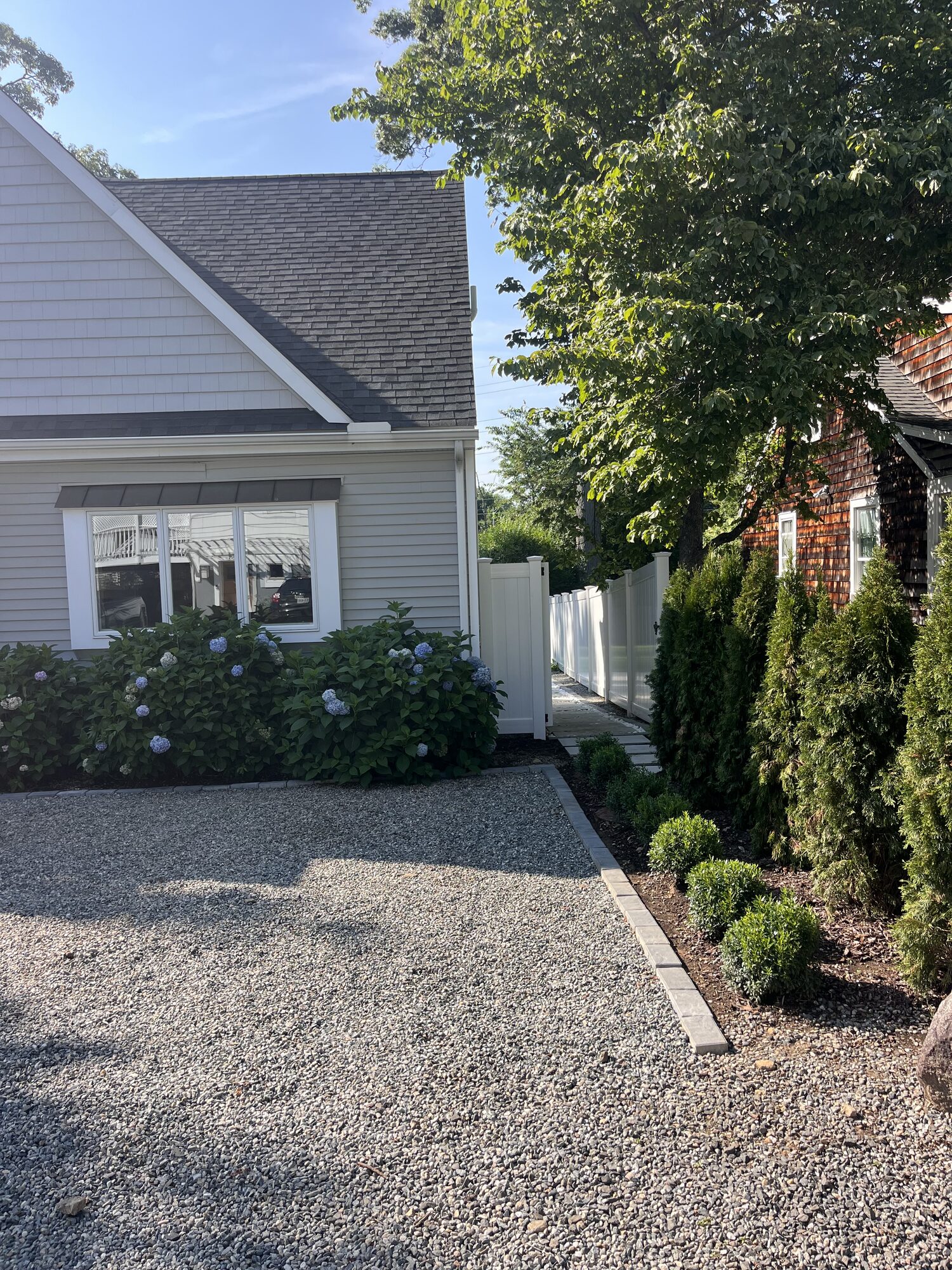
Landscaping can have a significant impact on a home's sale price because it directly affects curb appeal, first impressions, and buyers' perception of how well the property has been maintained.
Studies have found that attractive, well-maintained landscaping can increase a home's value by roughly 5% to 15%, depending on the property and market. For a $2,000,000 home - not uncommon in Fairfield and Westchester Counties - that could translate to an additional $100,000 to $300,000 in perceived value. More importantly, professionally landscaped homes often sell faster because buyers form opinions within seconds of arriving at a property.
Key landscape features that tend to provide the highest return include:
- Healthy, well-maintained lawns
- Mature shade trees
- Defined planting beds with fresh mulch
- Attractive foundation plantings
- Functional outdoor living spaces such as patios and walkways
- Proper landscape lighting
- Privacy screening using hedges or evergreen trees
Good landscaping also helps buyers imagine themselves living in the home. A property with vibrant plantings, clean edges, and thoughtful design feels more welcoming and move-in ready than one with overgrown shrubs, bare soil, or patchy turf.
For homeowners preparing to sell, simple improvements often provide excellent returns: fresh mulch, pruning overgrown plants, edging beds, repairing lawn damage, and planting seasonal color can dramatically improve a property's appearance without a complete renovation.
The same logic applies if you're a landlord rather than a seller. Your landscape is one of the first things prospective tenants notice - a well-maintained property attracts higher-quality tenants and can justify higher rental rates, while proper grading, drainage, and durable plant selection help protect the property's value and keep upkeep manageable between tenants.
A simple way to put it: landscaping doesn't just add beauty - it creates perceived value. Buyers and renters alike often decide what a home is worth before they ever walk through the front door.